Views: 0 Author: Site Editor Publish Time: 2026-06-02 Origin: Site


Mounting critical infrastructure to a mast or pole in extreme environments introduces distinct mechanical and environmental liabilities. Heavy winds, constant vibrations, and corrosive elements act relentlessly to compromise any structural weakness. You cannot afford to underestimate the physical forces acting against outdoor installations.
Standard hardware degrades rapidly under wind shear, continuous vibration, and corrosive exposure like salt spray and chemical washdowns. A compromised mounting setup threatens the structural integrity and ingress protection of the entire enclosure. Minor hardware failures quickly cascade into catastrophic equipment exposure.
Selecting the correct industrial-grade Outlet Enclosure Bracket requires aligning material science, load-bearing capacities, and NEMA/IP compliance standards. Doing so ensures long-term reliability and minimizes maintenance overhead in demanding locations. Careful evaluation protects your core infrastructure investments from inevitable environmental hostility.
Material Compatibility is Non-Negotiable: Match bracket materials to the specific environmental threat (e.g., 316L Stainless Steel for marine/chemical, heavy-duty composites for UV/RF environments).
NEMA/IP Integrity Must Be Maintained: Drilling or improper bracket attachment is the leading cause of NEMA 4X/IP66 enclosure failure.
Dynamic Load Over Static Load: Wind shear, ice accumulation, and equipment vibration dictate bracket specification far more than the base weight of the enclosure.
Mounting Flexibility Reduces Downtime: Modular banding and adjustable U-bolt systems accommodate varying mast diameters without requiring custom fabrication.
Standard zinc-plated or mild steel hardware perishes quickly outdoors. Zinc coatings flake off rapidly under mechanical stress. Mild steel rusts immediately once exposed to the atmosphere. Once the protective coating fails, structural degradation accelerates exponentially. You often see red rust within months of a commercial-grade deployment. This corrosion weakens the metal profoundly. It eventually causes catastrophic shearing under normal load conditions.
Dissimilar metals react poorly in moist conditions. If a generic steel bracket touches an aluminum enclosure, you create a galvanic cell. Moisture acts as the electrolyte in this scenario. This causes the less noble metal to corrode intensely. You must prevent this electron transfer at all costs. Galvanic corrosion eats through thick metal plates surprisingly fast. Using isolation materials becomes entirely necessary to stop this unseen decay.
Static weight limits mean little outside a climate-controlled room. Sustained vibration from nearby heavy machinery wiggles fasteners loose over time. Wind resonance twists the mounting assembly constantly. Metal fatigue sets in early if you use non-rated brackets. Screws back out slowly, leaving the entire setup vulnerable to sudden drops. Dynamic stressors demand hardware rated for continuous movement and vibration.
Using uncertified hardware jeopardizes your entire system compliance. Field modifications can void a UL listing instantly. Improperly modified brackets often fail NEMA rating inspections during facility audits. Inspectors look closely at mounting points to verify structural safety. You need fully compliant hardware to pass these strict regulatory checks. A failed inspection forces costly teardowns and immediate system downtime.
Material selection serves as your primary defense against environmental destruction. You must align the hardware material exactly with the localized threats.
316L Stainless Steel: Ideal for marine, chemical, and high-saline environments. The added molybdenum prevents chloride pitting.
Anodized/Marine-Grade Aluminum: A lightweight alternative for non-alkaline environments. It forms a hard, natural oxide layer.
UV-Stabilized Polycarbonate/Composites: Perfect for lighter loads requiring zero RF interference. They provide absolute immunity to traditional rust.
Material Comparison Chart for Environmental Deployments | |||
Material Type | Primary Resistance | Best Application Scenario | Common Weakness |
|---|---|---|---|
316L Stainless Steel | Chlorides, Salt Spray, Acids | Offshore rigs, Wastewater facilities | Heavy weight, high initial material cost |
Marine-Grade Aluminum | General oxidation, UV radiation | Traffic poles, Urban telecom | Vulnerable to highly alkaline environments |
Polycarbonate Composites | Chemicals, Galvanic reactions | Wireless access points, RFID readers | Lower sheer load capacities compared to steel |
Assess the bracket's ability to handle the enclosure's weight plus aerodynamic drag. High winds push against the projected surface area of the box. This multiplies the effective load drastically. You must calculate wind shear forces using local weather maximums. Include seasonal ice accumulation in your numbers. Ice adds massive physical weight while increasing the surface area for wind drag. A properly specified Outlet Enclosure Bracket accounts for these extreme dynamic multipliers.
The bracket must interface safely with the enclosure body. External mounting flanges keep hardware completely outside the sealed zone. Blind tapped holes prevent moisture from penetrating the cabinet interior. Integrated gasket channels offer another robust layer of defense against water and dust ingress. Maintaining the IP rating ensures internal electronics survive heavy storms. Never compromise the enclosure wall without a factory-approved sealing mechanism.
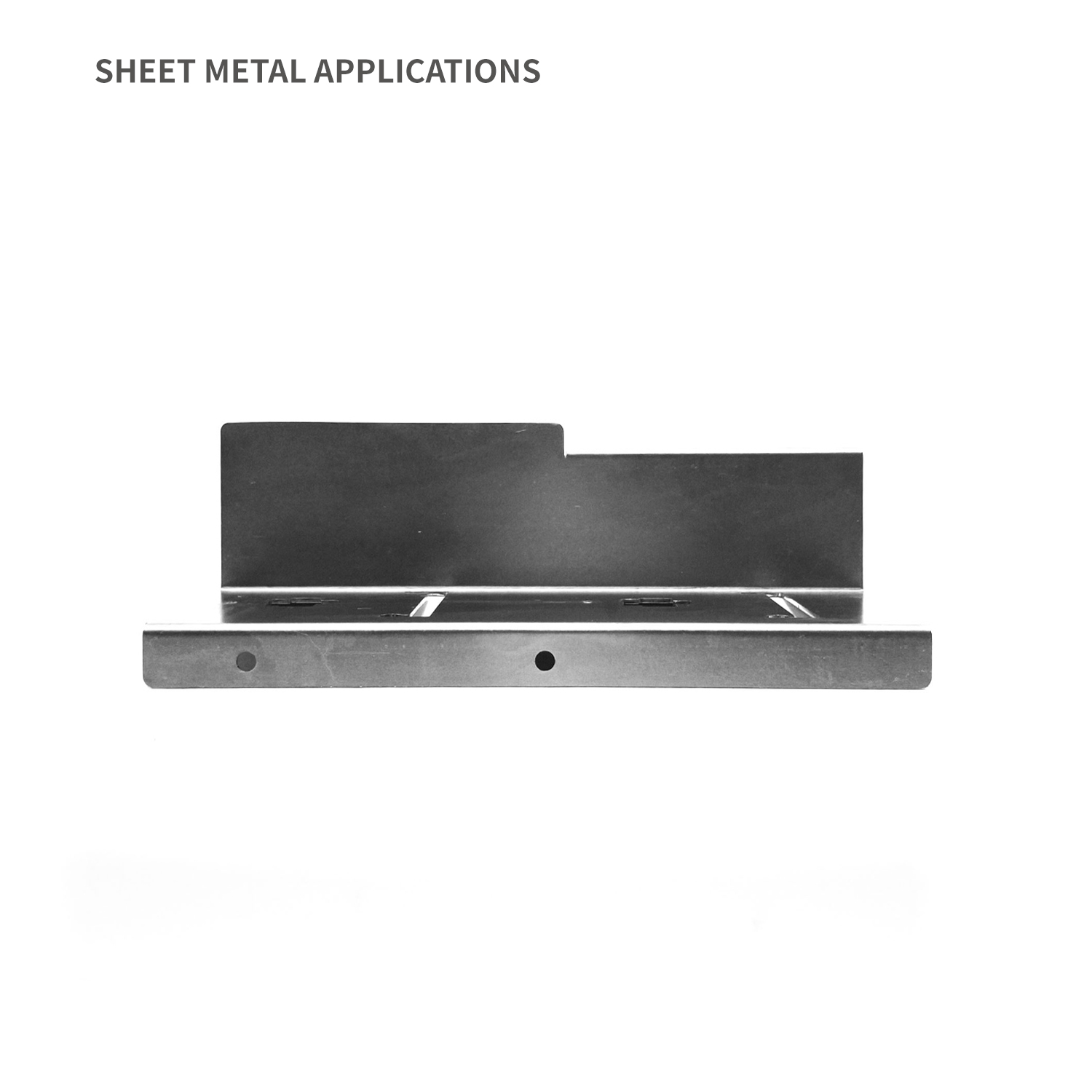
U-Bolt assemblies remain a standard choice for cylindrical mast mounting. They provide incredibly high rigid strength. Installation remains simple and straightforward for field technicians. However, they limit you to specific pole diameters. You cannot use a three-inch U-bolt on a four-inch pole. Over-torquing them can easily crush thin-walled aluminum or fiberglass masts.
Stainless steel banding and strapping systems offer excellent versatility. They provide a universal fit for irregular or large-diameter poles. They distribute the heavy load evenly across the entire surface area. This prevents localized crushing on hollow masts. You will need specialized tensioning tools to install them correctly. Banding can stretch slightly under extreme temperature fluctuations if not properly specified.
Modular pole-mount kits utilize strut channel integration. They are highly adjustable. They allow you to mount multiple enclosures or auxiliary equipment on a single mast. You can easily attach solar panels or antennas to the same frame. They do require a heavier footprint. They also carry a higher initial capital cost compared to simple banding.
Stainless steel fasteners frequently experience a phenomenon called thread galling. Friction strips the microscopic oxide layer away during tightening. The metals literally cold-weld together permanently. You must apply anti-seize compounds to prevent this lock-up process. Strict adherence to manufacturer torque specs keeps friction heat manageable. If fasteners gall during installation, you typically have to saw them off and start over.
Materials expand and contract at vastly different rates. The mast, the bracket, and the enclosure body all react differently to daily temperature swings. You must plan for these differential thermal expansion rates. Slotted mounting holes help absorb this continuous movement. Rigid mounting points might crack the enclosure wall under severe thermal stress. Flexibility prevents stress fractures in cold weather environments.
Electrical continuity acts as a strict safety requirement for outdoor installations. You must bond the enclosure, the bracket, and the grounded mast together comprehensively. This complies fully with NEC and local electrical codes. Proper grounding protects expensive equipment against lightning strikes and stray currents. Use specialized grounding lugs or star washers. These washers bite through powder-coat paint to ensure clean metal-to-metal contact.
Define the primary environmental threat first before looking at catalogs. Is the site facing severe marine corrosion, heavy industrial vibration, or extreme wind? This specific threat dictates your baseline material choice completely. Do not specify standard aluminum if the site sits next to an ocean breakwater. Audit the environment accurately to avoid premature failures.
Measure exact pole diameters using reliable calipers. Identify the structural material of the mast itself. You must know whether it is wood, steel, or concrete. Wood poles expand with moisture, requiring flexible strapping. Rigid steel poles handle heavy-duty U-bolts perfectly. This assessment informs your choice between rigid clamps and flexible tension bands.
Ensure the chosen Outlet Enclosure Bracket aligns exactly with the manufacturer’s mounting hole patterns. Verify the static and dynamic weight limits stringently. Mismatched hole patterns tempt field technicians to drill unauthorized holes. This destroys the NEMA rating instantly. Verify compatibility before authorizing the purchase order.
Prioritize vendors supplying verifiable load-test data. Ask for formal wind-rating calculations based on projected surface areas. Request certified CAD models for thorough engineering reviews. Trustworthy manufacturers provide this testing documentation readily. Reject unverified hardware lacking proper engineering support.
Specifying the correct mast bracket is as critical as selecting the enclosure itself. Cutting corners on mounting hardware inevitably leads to premature failure and compromised internal components. Reliable installations require rigorous hardware standards matched precisely to the environmental threats. A strong foundation ensures long-lasting equipment performance.
Urge engineers and panel builders to cross-reference their enclosure’s NEMA requirements carefully. Check the bracket manufacturer’s load and material specs thoroughly before procurement. Ensure every single mounting component matches the environmental profile exactly. Proactive verification prevents catastrophic field failures.
Consult our technical sales team to review structural load data or request a spec sheet for your specific mast mounting application.
A: Yes, unsealed or improperly sealed field modifications generally void NEMA/UL ratings. Always use external mounting flanges or manufacturer-approved blind-mount brackets. Drilling compromises the gasketed seal, allowing water and dust to penetrate. It severely degrades the structural integrity and voids manufacturer warranties immediately.
A: U-bolt kits typically cap at 3 to 4 inches. For larger or irregular masts, heavy-duty stainless steel banding is required. Banding systems easily accommodate poles exceeding 12 inches in diameter. Always measure the mast circumference and account for any protective coatings before specifying the mounting hardware.
A: Utilize specialized isolation pads, dielectric greases, or composite intermediate brackets to break the electrical connection between dissimilar metals. Creating a physical barrier stops electron transfer. Avoid direct metal-to-metal contact entirely in damp environments. Regular maintenance inspections should check these isolation barriers for degradation over time.


